
brand-breezy-keys
Does ‘Vacation Rental Management Near Me’ Really Matter? Why Local Presence in Tampa Can Make or Break Your Ratings
 Alan Campbell8 min read
The Indispensable Value of Local Vacation Rental Management in Tampa
For many property owners, the phrase “vacation rental management near me” sounds like a convenience. In Tampa Bay, it’s often the thing that keeps a property running smoothly. Local management can mean faster fixes, fewer missed turnovers, and fewer zoning mistakes. That matters whether you own one unit from out of town or manage a small portfolio.
Tampa draws steady short-term rental demand, but the market changes fast. Events, weather, seasonality, and guest expectations all shift the picture. A local team can see those changes early and respond before they hurt bookings. Without that local read, owners can miss revenue, price too high or too low, or fall short on guest needs. Good vacation rental management helps keep income steady by staying on top of pricing, bookings, and guest support.
Navigating Tampa's Unique Landscape: Local Regulations and Guest Expectations
The rules around short-term rentals in Tampa are one of the clearest places where local knowledge matters. Florida law limits how cities can regulate STRs, but zoning, licensing, and taxes still apply at the state, county, and city levels. Owners should check the Florida Department of Business and Professional Regulation for licensing rules. They should also check the City of Tampa for any Local Business Tax Receipt requirements. Tax duties can also vary, so it’s smart to confirm what applies with the Florida Department of Revenue and Hillsborough County.
One of the biggest Tampa neighborhood rental rules issues is zoning. In unincorporated Hillsborough County, residential zoning districts generally do not allow rentals of fewer than seven consecutive nights. In plain terms, a normal single-family home in a residential subdivision usually can’t run as a nightly STR. Short stays are usually limited to commercial, lodging, or qualifying mixed-use zones, or they must meet the seven-night minimum in residential areas. A local manager can check those rules before a listing goes live, which helps owners avoid fines, complaints, and forced shutdowns.
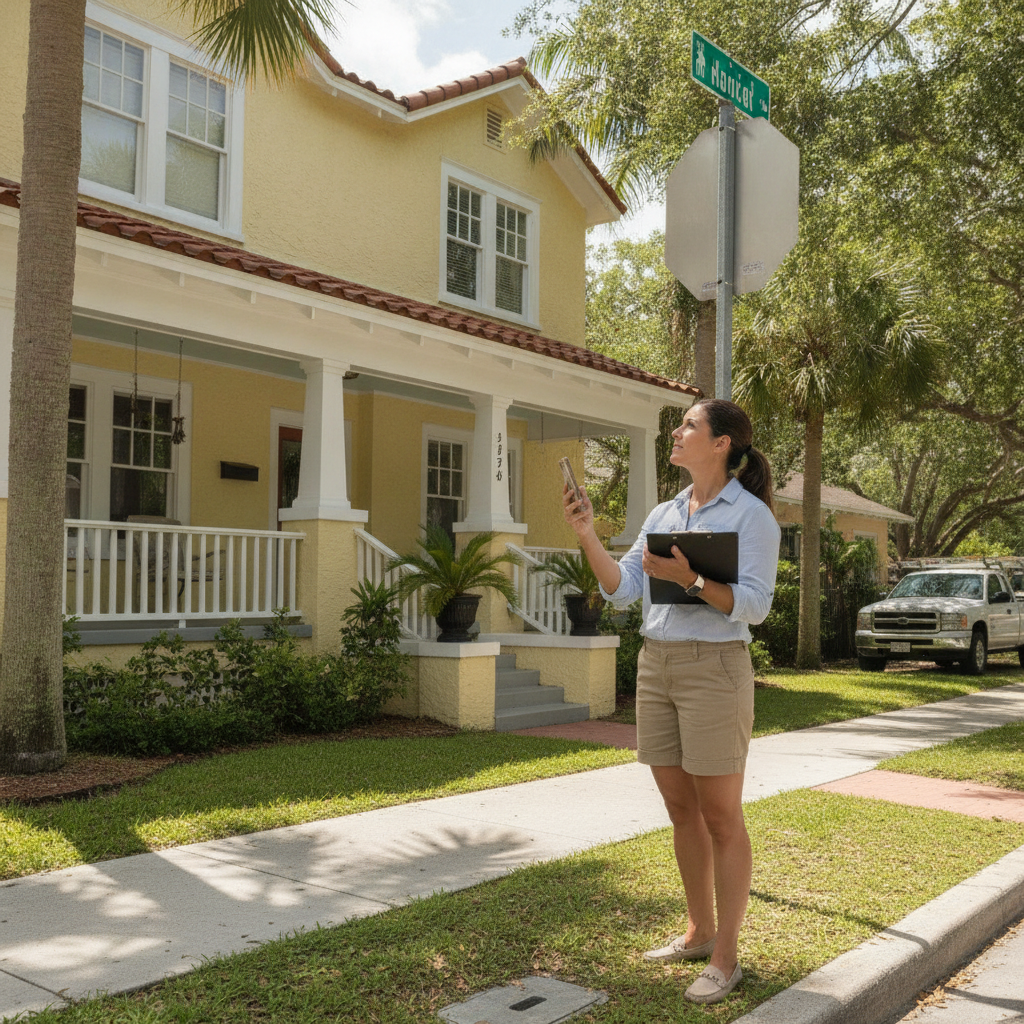
They can also help with licenses and make sure taxes are collected and paid the right way.
Beyond compliance, local managers are strong at on-site guest management Tampa. They know who’s coming to town and why, winter snowbirds, convention guests, sports travelers, and people visiting family. That helps them give better local tips and respond fast when a guest needs help in person. For portfolio owners, that kind of service helps earn better reviews and repeat bookings, which matter a lot in Tampa’s competitive market.
Beyond the Basics: The Operational Edge of Local Proximity
The real property management proximity benefits go beyond rules and guest support. A local team can respond faster, solve problems sooner, and keep a better eye on the home. That matters when you want fewer surprises and fewer bad reviews.
Immediate Response to Emergencies
If a pipe bursts at 2 AM or a guest gets locked out, a local manager can send help quickly. That can limit damage, cut guest stress, and keep one problem from turning into two. Remote teams often lose time trying to find local help first.

Streamlined Vendor Management and Turnover Verification
Local managers also build working relationships with cleaners, handymen, and repair vendors in Tampa. They can check the turnover in person and make sure the home is actually ready for the next guest. That means the beds are made, supplies are restocked, and small issues get caught before they turn into bigger ones. Keeping a simple home guide for cleaners and vendors, with appliance notes, paint colors, and other basics, also helps jobs go smoother. For portfolio owners, that usually means more consistent quality, less wear, and fewer repeat problems.
Access Registries and Systematized Operations
Good local management also means having a clear lock list and contact list for contractors, cleaners, and emergency services. That keeps access secure and easy to track. For multi-unit portfolios, local companies often use Property Management Systems (PMS) that handle multi-channel distribution, integrated trust accounting, and owner portals, which help automate data collection and statement generation. Paired with local oversight, those systems keep daily operations organized without losing sight of the small details. The Layers of Local Operational Advantage
- Responsive Guest Support: On-site issue resolution, personalized recommendations
- Emergency & Maintenance Rapid Response: Minimizing damage, ensuring safety, fast repairs
- Vetted Local Vendor Network: Reliable cleaning, maintenance, and repair services
- Proactive Property Inspections: Identifying and addressing issues before they escalate
- Regulatory Compliance Assurance: Navigating zoning, licensing, and tax requirements
- Hyperlocal Market Insights: Dynamic pricing, tailored marketing, community understanding
A local vacation rental management team provides stacked benefits, from immediate operational responses to deep market insights.
Evaluating Your Options: What to Look for in a Tampa Vacation Rental Partner
Selecting the right vacation rental management company in Tampa is like choosing a business partner; their work directly affects your investment, guest satisfaction, and peace of mind. Here’s what absentee owners and portfolio operators should look for:
1. Proven Local Experience and Market Knowledge
Look for a company with a strong track record managing properties like yours in the Tampa Bay area. Ask how well they know specific neighborhoods, how they price listings, and what trends they’re seeing. They should be able to explain how they handle Tampa’s seasonality, local events, and different guest types. If they can’t speak clearly about your block, your zoning, or your guest mix, keep looking.
2. Transparent Communication and Reporting
Clear communication is a big part of a good management relationship. Ask how often you’ll get updates and how they’ll send them. Request sample owner reporting and check what’s included. At a minimum, the monthly report should show gross rental income, management fees, cleaning and maintenance costs, and the net amount sent to you. It should also show the basics that help you understand performance, like occupancy, average daily rate (ADR), total bookings, and booking sources. Those fields matter because they show what’s earning, what’s costing money, and where bookings are coming from.
3. Robust Operational Systems and Vendor Management
For portfolio owners, ask how they handle day-to-day work. Do they use a Property Management System (PMS) with multi-channel distribution and accounting built in? How do they manage repairs? A solid company will have trusted local vendors and a clear process for work orders and quality checks. Ask how they screen guests, too.
4. Regulatory Compliance Expertise
Because Tampa rules can be specific, make sure the company understands state, county, and city requirements, including zoning, licensing, and tax obligations. They should be able to explain how they keep the property compliant. Ask whether they are licensed and insured, as required for brokerages in Florida.
5. Client Reviews and References
Check online reviews on Google and Facebook. A few negative comments happen. What matters is the pattern. Ask for references from other property owners and follow up with them. A practical warning: if a manager misses a turnover, mishandles a guest issue, or shrugs off zoning questions, that usually shows up fast in reviews, refunds, or lost bookings. Those signs tell you a lot about how they really operate.
Maximizing Your Investment: The Long-Term Impact of Local Expertise
Working with a local vacation rental management team in Tampa is not just about handing off daily tasks. It’s a long-term choice that can shape how well the property performs and how easy it is to own. Better pricing, stronger occupancy, and a smoother guest stay all help build a better reputation, which matters when you’re competing for repeat bookings.
Local managers, because they live in the Tampa Bay market, can adjust pricing around local events, seasonal demand, and real-time market changes. That helps keep the property priced sensibly year-round without guessing. Instead of leaning on a generic formula, they watch what’s actually happening and respond when demand shifts.
Good local management also helps protect the home over time. Regular inspections, quick repairs, and a trusted vendor network can keep small issues from turning into expensive ones. That hands-on work also supports guest satisfaction, which can lead to better reviews and more repeat bookings. Small problems handled fast are often the ones that keep a stay from turning into a bad review.

For portfolio-level owners, clear reporting and steady communication make it easier to see whether the management fee is worth it. You can tell how the market is performing and whether the property is being cared for well. That kind of transparency builds trust and makes it easier to keep the right manager in place. In a market like Tampa, where tourism and property values can move quickly, local expertise is one of the most reliable ways to protect and grow your investment.
If you want a clearer read on your neighborhood rules, your pricing, or your current management setup, request a Tampa market review or book a management consultation today.
Frequently Asked Questions
What specific Tampa neighborhood rental rules should I be aware of as an STR owner?
In Tampa, short-term rentals are allowed, but zoning is critical. In unincorporated Hillsborough County, properties in residential zones generally cannot be rented for fewer than seven consecutive nights. Nightly rentals are typically permitted only in commercial, lodging, or specific mixed-use zoning districts. Owners should also check the current requirements with the Florida Department of Business and Professional Regulation, the City of Tampa, and the Florida Department of Revenue for licensing and tax obligations.
How does local vacation rental management handle emergency situations in Tampa?
A local vacation rental management company can respond quickly to emergencies such as plumbing issues, guest lockouts, or other urgent situations. Their proximity allows for swift dispatch of maintenance staff or trusted local vendors, which can help limit damage to the property and reduce disruption for guests. That speed is a big part of keeping reviews from sliding after something goes wrong.
What are the benefits of using a local Airbnb co-hosting support service?
Local Airbnb co-hosting support provides significant benefits, including deep knowledge of the Tampa Bay market, understanding of local events and seasonality for pricing, personalized guest recommendations, and immediate on-site guest assistance. They can also help navigate local regulations and make your listing stand out.
How can a local property manager help improve my guest ratings?
Local property managers improve guest ratings through several key actions: providing excellent on-site guest support, offering personalized local recommendations, ensuring prompt and efficient communication, and overseeing careful cleaning and maintenance between stays. Their ability to quickly address guest needs and keep the property in good shape directly leads to better reviews and higher ratings.
What kind of reporting should I expect from a local Tampa vacation rental management company?
You should expect comprehensive monthly owner reports that include a detailed financial summary with gross rental income, itemized expenses, management fees, and net disbursement, along with key performance metrics such as occupancy rate, average daily rate (ADR), total bookings, and booking sources. These reports should be consistent, transparent, and ideally include visuals like charts and graphs for clarity.